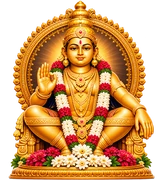
Padi Pooja Vidhanam
Prepare and host a Guruswamy-led Padi Pooja with a safe worship setup, ceremonial offerings and hospitality.

What Padi Pooja honors
Padi Pooja honors the sacred eighteen steps of Sabarimala, the Pathinettampadi. A home or community gathering may arrange a ceremonial representation of those steps and offer lights, flowers and prayer under a leader. This devotional setting has its own procedure, distinct from access to the temple steps during pilgrimage. Ask the Guruswamy to explain the tradition your gathering will follow, what the host should prepare, and which actions are reserved for the officiant.

When you book or agree to host
Confirm the date, duration, expected number of devotees and the ceremony leader. Walk through the space before committing to the setup. Plan where the steps and deity display will stand, where families can sit, and how people will reach exits, restrooms and any accessibility accommodations. Agree on how a private home address will be shared. Name one person to answer guest questions and a different person to coordinate worship materials so the leader can focus on the ritual.

The week before
Confirm a list for the deity setup and ceremonial steps, the lamps and wicks, flowers or garlands, and vessels for water and offerings. Ask whether a kalasham is used and who arranges it. Do not assume that the same number of lamps, garlands or offerings is used by every group. If the leader approves an arrangement of one position per step, a plan has eighteen positions; confirm whether those positions receive individual lamps, flowers or another offering. Record the agreed quantities in the checklist. Confirm Naivedyam and a separate hospitality plan with the people preparing and serving food.

The day of the gathering
Set up the steps on a stable surface before guests arrive. Confirm the deity arrangement with the Guruswamy and leave room for the officiant and an assistant. Mark clear walking routes, put lamp bases on stable heat-safe surfaces and keep flames away from cloth, florals, cords and crowded seating. Make room for elders and people who need chairs or an accessible route. Check the setup, vessels and emergency exits during a walk-through with the person responsible for the venue.

During worship
A leader may begin with a lamp and Ganesha prayer, set the Sankalpam, and guide kalasham or other preparations where customary. The Ayyappa worship and direct offerings to the steps follow the approved sequence. Ask when flowers, lights and bhajans are offered and how visitors can participate from their seats. Naivedyam, Harathi and Saranam may be part of the closing sequence depending on local practice. The leader may adapt participation to the space, number of people and fire policy.

Hospitality and closing
Assign volunteers to guide arrivals, keep exits clear, offer water and help people find seating. Agree when and where prasadam and meals can be shared. Ask about allergies and label food where you can do so reliably. At the end, ask the leader what happens to the offerings. One person should be responsible for extinguishing and cooling lamps; another can collect vessels and help restore the venue. Confirm that guests have left safely before dismantling the steps.


Keep a small team and a clear handover
Ask the officiant to name a single assistant who knows which item is needed next. Keep duplicates and packaging away from the altar, and give the person handling hospitality a separate space to work. Before prayer, explain to volunteers where they should direct guests, which areas must stay clear, and who will deal with a spill or a late arrival. After prayer, have the assistant check that every ritual item has been returned to its owner. This avoids mixing the host's materials with the things brought by guests.


Example for an indoor event
A host expecting thirty people can set out chairs in advance, keep a clear aisle and count separate quantities for water and for the food serving line. The team reviews one list for hospitality and another for the ritual because they are calculated differently. If the room cannot accommodate the planned number of flames, the officiant and venue agree on a suitable arrangement before the event. Keep the headcount and quantities editable as requests change.
Preparation tasks
0 of 4 items checked
Selections are kept in this browser.
Frequently asked questions
Does a host need eighteen separate flames?
The number and arrangement must be approved by the officiant and venue. Eighteen positions can represent the steps, with the offerings and safe lighting plan agreed separately.
How can people participate if they cannot sit on the floor?
Set aside chairs and a clear route before guests arrive. Ask the leader what offerings or responses people can join from their seats.
Who handles the offerings afterward?
Agree on the procedure with the leader and assign a volunteer to follow it. Keep hospitality cleanup separate from ritual handling.